Download Mendeley
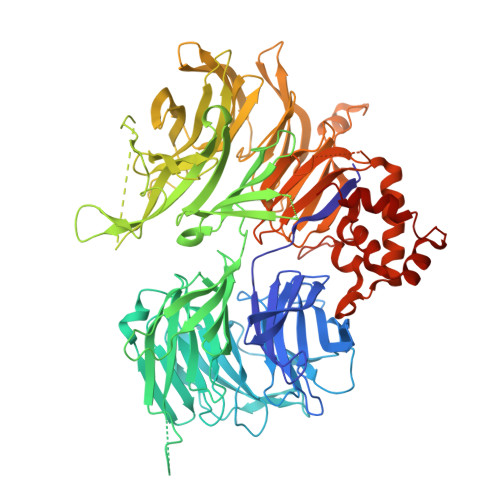
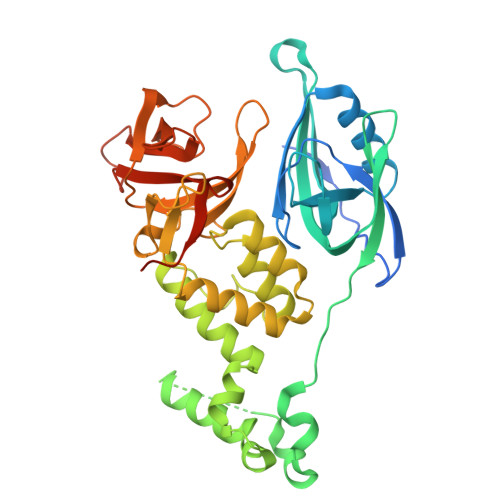
PCMT1 generates the C-terminal cyclic imide degron on CRBN substrates.
Zhao, Z., Xu, W., Feng, E.Y., Cao, S., Hermoso-Lopez, A., Pena-Vega, P., Lloyd, H.C., Porter, A.K.D., Guzman, M., Zheng, N., Woo, C.M.(2025) Nat Chem Biol
- PubMed: 41461925
- DOI: https://doi.org/10.1038/s41589-025-02106-9
- Primary Citation of Related Structures:
9NR3 - PubMed Abstract:
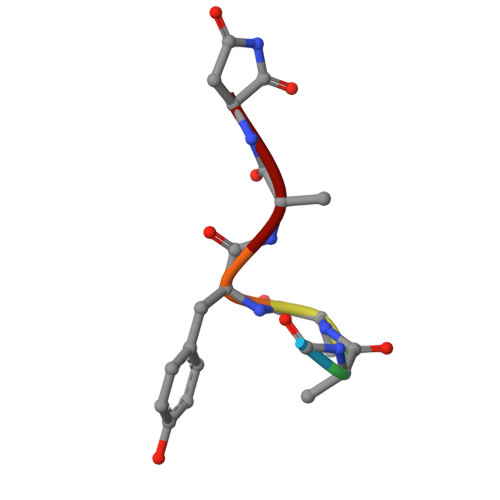
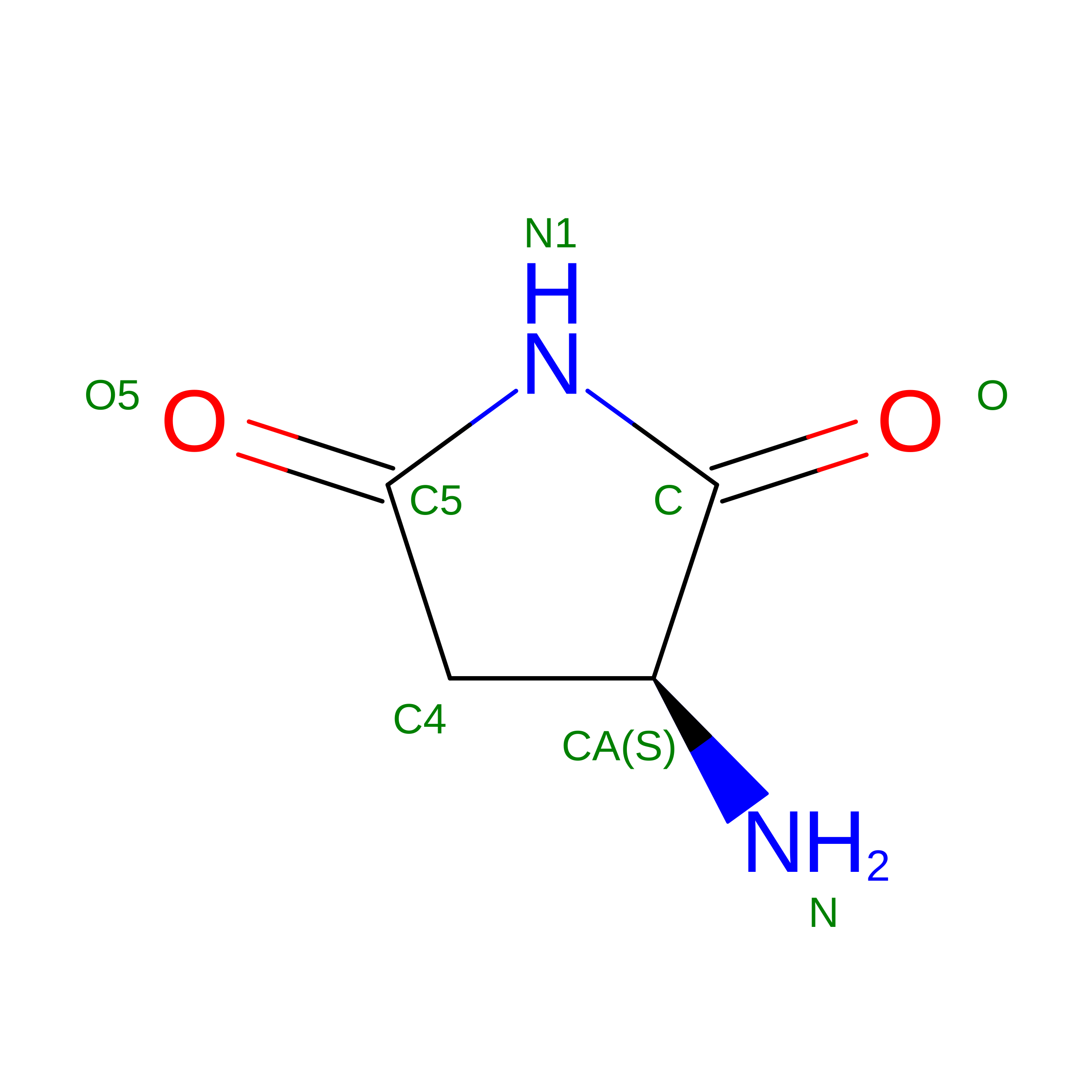
The E3 ligase substrate adapter cereblon (CRBN), the primary target of clinical agents thalidomide and lenalidomide, recognizes endogenous substrates bearing the C-terminal cyclic imide modification. Although C-terminal cyclic imides can form spontaneously, an enzyme that regulates their formation and thereby promotes a biological pathway connecting substrates to CRBN is unknown. Here we report that protein carboxymethyltransferase (PCMT1) promotes formation of C-terminal cyclic imides on C-terminal asparagine residues of CRBN substrates. PCMT1 and CRBN coregulate the levels of metabolic enzymes including glutamine synthetase and inorganic pyrophosphatase 1 in vitro, in cells and in vivo, and this regulation is associated with the proepileptic phenotype of CRBN knockout mouse models. The discovery of an enzyme that regulates CRBN substrates through the C-terminal cyclic imide reveals a previously unknown biological pathway that is perturbed by thalidomide derivatives and provides a biochemical basis for the connection between multiple biological processes and CRBN.
- Department of Chemistry and Chemical Biology, Harvard University, Cambridge, MA, USA.
Organizational Affiliation: